Why Influencer Marketing Is the Future of Advertising in India

Introduction
Over the past decade, India’s advertising landscape has gone through a massive shift. Where once television, newspapers, and radio dominated, today digital-first strategies are leading the charge. And at the center of this revolution? Influencer marketing.
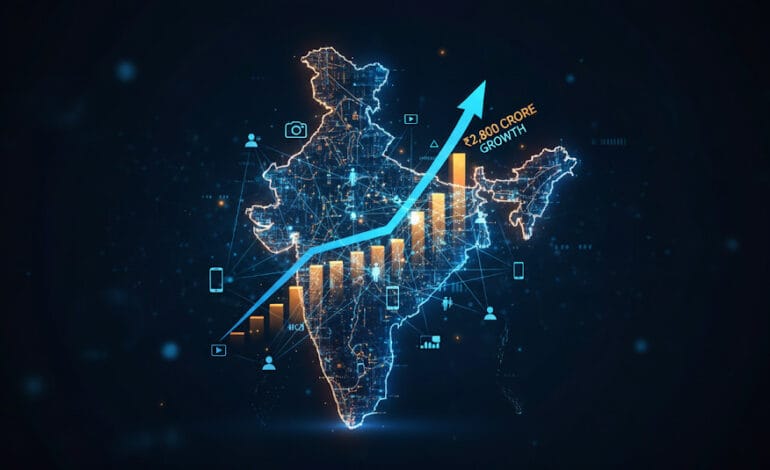
According to IMARC, the influencer marketing industry in India is projected to reach ₹2,800 crore by 2026. This rise is fueled by growing smartphone use, cheaper data, and platforms like Instagram and YouTube.
This article explains Why influencer marketing is the future of advertising in India, backed by data, case studies, and real-world brand strategies.
What Is Influencer Marketing?
Influencer marketing is when brands partner with content creators to promote their products or services. Unlike celebrity endorsements, influencers connect directly with audiences in relatable, everyday ways.
It blends authenticity with reach, making it more effective than many traditional forms of advertising.
- Micro-influencers (10k–100k followers) drive higher engagement.
- Trust-based: followers see influencers as peers, not celebrities.
- Content feels organic, not like a hard-sell.
- Highly targeted—brands can reach niche audiences.
- ROI often beats TV or print campaigns.
Why Influencer Marketing Works Better Than Traditional Ads
Traditional ads are often one-way communication. But influencer marketing creates two-way conversations between brands and consumers. People trust a product recommendation more when it comes from someone they already follow.
This makes influencer campaigns not only cost-effective but also impactful in terms of conversions.
- Boat grew rapidly by collaborating with music influencers.
- Mamaearth built trust with mom bloggers and YouTubers.
- Zomato uses meme + influencer collabs for relatability.
- Engagement rates are 5–10x higher than banner ads.
- Authenticity drives long-term brand loyalty.
The Future of Influencer Marketing in India (2025–2030)
The future of influencer marketing in India is tied to changing consumer habits. Gen Z and millennials prefer influencers over traditional celebrities because they feel more relatable.
As social commerce, AI-driven campaigns, and regional content expand, influencer marketing will only get stronger.
- 82% of Indian Gen Z trust influencers more than celebrities.
- Regional language influencers are gaining huge traction.
- Short-form videos (Reels, Shorts) dominate digital engagement.
- AI tools now predict campaign success and influencer ROI.
- Social commerce (Instagram Shop, YouTube Shopping) will be key.
Platforms Driving Influencer Marketing
Not all platforms work the same way. Each has its strengths for influencer marketing. Choosing the right one depends on your brand, audience, and goals.
Instagram is the epicenter of influencer marketing in India. With Reels, shopping integration, and easy brand collabs, it continues to lead.
- Reels drive billions of monthly views in India.
- Shopping features allow direct purchase links.
- Brands collaborate via Creator Marketplace.
- Micro-influencers thrive on niche content.
- Engagement rates remain higher than Facebook.
YouTube
YouTube offers trust via long-form content and now Shorts for quick engagement. It’s ideal for in-depth reviews, tutorials, and lifestyle vlogs.
- Second-largest search engine after Google.
- Shorts compete with TikTok/Reels for attention.
- Ad revenue sharing motivates creators.
- Long-form builds trust in tech, beauty, education niches.
- Popular for regional and vernacular content.
For B2B influencer campaigns, LinkedIn is unmatched. It allows thought leaders, consultants, and startups to connect with decision-makers.
- Great for SaaS and professional services marketing.
- Decision-makers engage directly with thought leaders.
- Webinars, posts, and case studies perform well.
- Professional credibility boosts conversions.
- Growing focus on creator economy within LinkedIn.
Regional Platforms
Platforms like ShareChat and Moj are rising stars for regional influencer marketing. They target Tier 2 and Tier 3 cities where Instagram and YouTube may not dominate.
- Strong in Hindi, Tamil, Telugu, and other languages.
- Affordable campaigns for regional brands.
- Great for FMCG and local businesses.
- Expanding ad-tech tools for brands.
- User engagement is high in smaller towns.
Benefits for Brands
For brands, influencer marketing combines reach, relatability, and ROI. It’s more affordable than celebrity ads and far more effective in targeting.
- Higher ROI compared to TV and print.
- Ability to target niche and micro-communities.
- Authentic conversations lead to stronger trust.
- Scalable from startups to large brands.
- Example: Startups like WOW Skin Science built brand awareness with influencer collabs.
Benefits for Influencers
Influencers themselves benefit greatly, with many turning content creation into full-time careers. India’s creator economy is now one of the fastest growing in the world.
- New income opportunities across niches.
- Brand collabs boost credibility and visibility.
- Influencers scale into launching their own startups.
- Career flexibility and independence.
- Example: Influencers like Ranveer Allahbadia (BeerBiceps) turned into entrepreneurs.
Challenges and Risks in Influencer Marketing
Despite its potential, influencer marketing comes with challenges. From fake followers to disclosure issues, brands must remain cautious.
- Fake followers can mislead ROI expectations.
- Disclosure rules: ASCI mandates #ad for paid posts.
- Difficulty in measuring true conversions.
- Risk of influencer controversies affecting brands.
- Example: Crypto promotions drew criticism due to lack of transparency.
Influencer Marketing vs. Traditional Advertising
While traditional advertising is still relevant, influencer marketing provides advantages that make it the future. Here’s how they compare:
- Cost: Influencer campaigns are often cheaper than TV ads.
- Trust: Influencers rank higher in relatability than celebrities.
- Reach: Social platforms enable faster viral reach.
- Engagement: Comments, shares, and likes show real-time interaction.
- Conversions: Higher intent audiences drive stronger sales.
Case Studies in India
Here are some examples of influencer marketing success in India:
- Mamaearth grew its D2C presence using mom bloggers and beauty YouTubers.
- Boat used music and lifestyle influencers to appeal to young India.
- Zomato’s meme collabs with influencers drove relatability and virality.
- WOW Skin Science expanded awareness through niche Instagram influencers.
Conclusion
Influencer marketing isn’t just a trend—it’s the future of advertising in India. It offers relatability, high ROI, and opportunities for both brands and creators. As digital adoption deepens, influencer campaigns will play a central role in shaping consumer behavior.